For a microfinance institution, lending to an informal entrepreneur can often mean lending without a clear picture. There may be no statements, no consolidated figures and no evidence of consistent trading. The response is cautious: a small loan, a high interest rate, or a refusal.
What a loan officer looks for
Before offering microcredit, an institution wants to understand three things:
- Consistency of trading: sales every week, not just one good month.
- The ability to collect payments: money that actually comes in, not just promised payments.
- Discipline in managing customer balances and supplier debts.
Building evidence, day by day
Every transaction recorded in KOBETA becomes a line in that financial history: sales, deposits, inventory purchases, direct costs and cancellations with a stated reason. Nothing is erased: a cancelled transaction remains visible with its reason. This traceability is what makes the history credible.
Sharing through consent
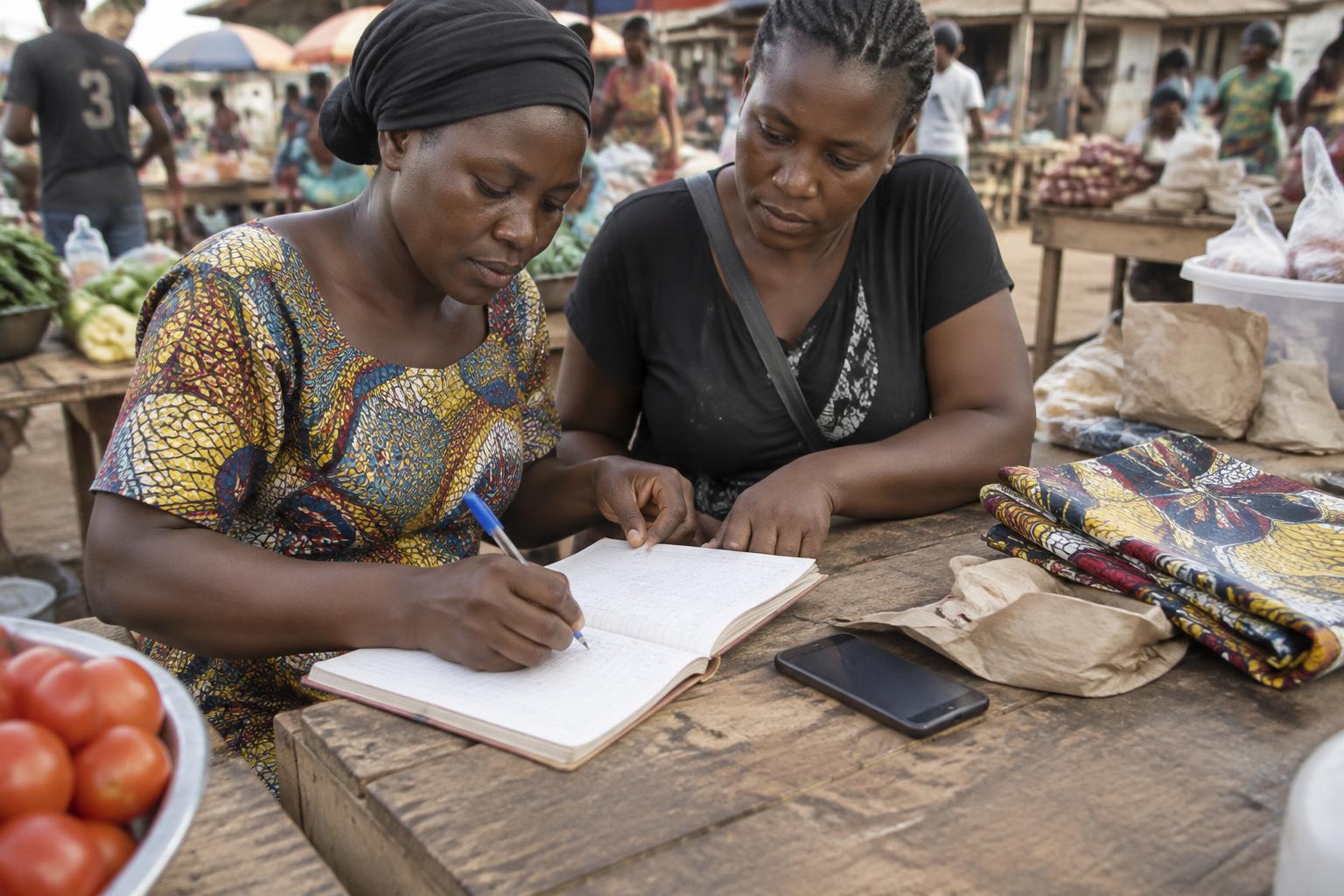
The entrepreneur remains in control of her data. She chooses which institution to share it with—FINCA, Baobab, Ecobank or a support program—and the scope of that access: aggregated indicators or detailed business activity. She can revoke access in one click, and each decision is logged.
From everyday business to clear figures
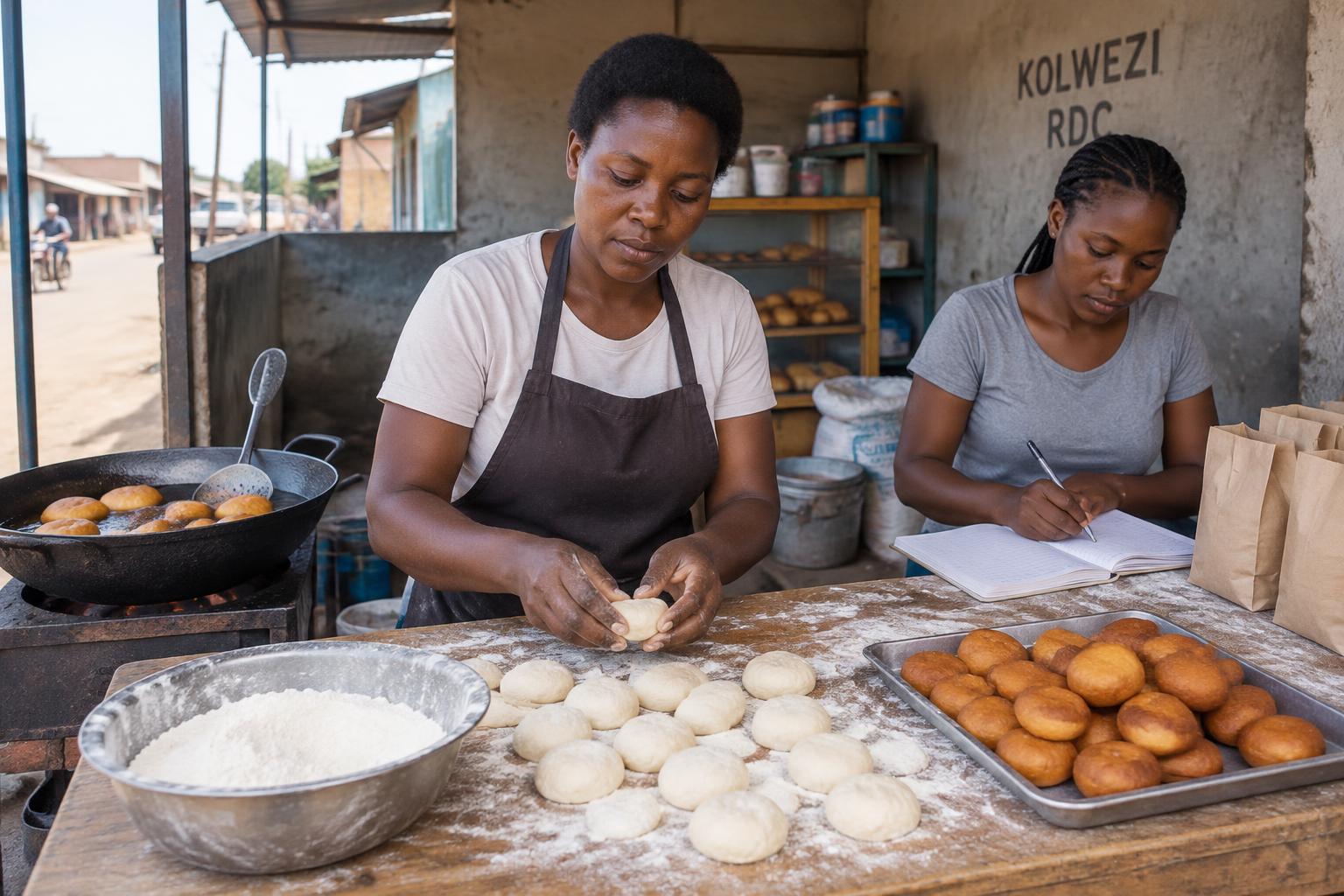
In Kinshasa and Kolwezi, supported cohorts first learn to separate household money from business cash, then calculate their actual production costs. After a few months, they have a printable summary showing Revenue, Cash Collected, Accounts Receivable / Due, Margin and Inventory Value.
A record that speaks for her
On the day of her appointment at the branch, the entrepreneur no longer arrives empty-handed. Her financial history speaks for her. Microcredit becomes a potential next step for a business with documented activity, rather than a request made without supporting evidence.